solarbelt fairfuel
Green jet fuel and fair technological
partnerships
Honored Voices Addressing Solarbelt
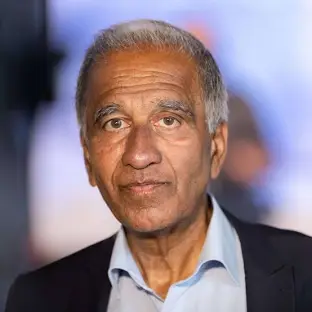
Mojib Latif
Vice President of the Academy of Science in Hamburg, meteorologist and oceanoprapher
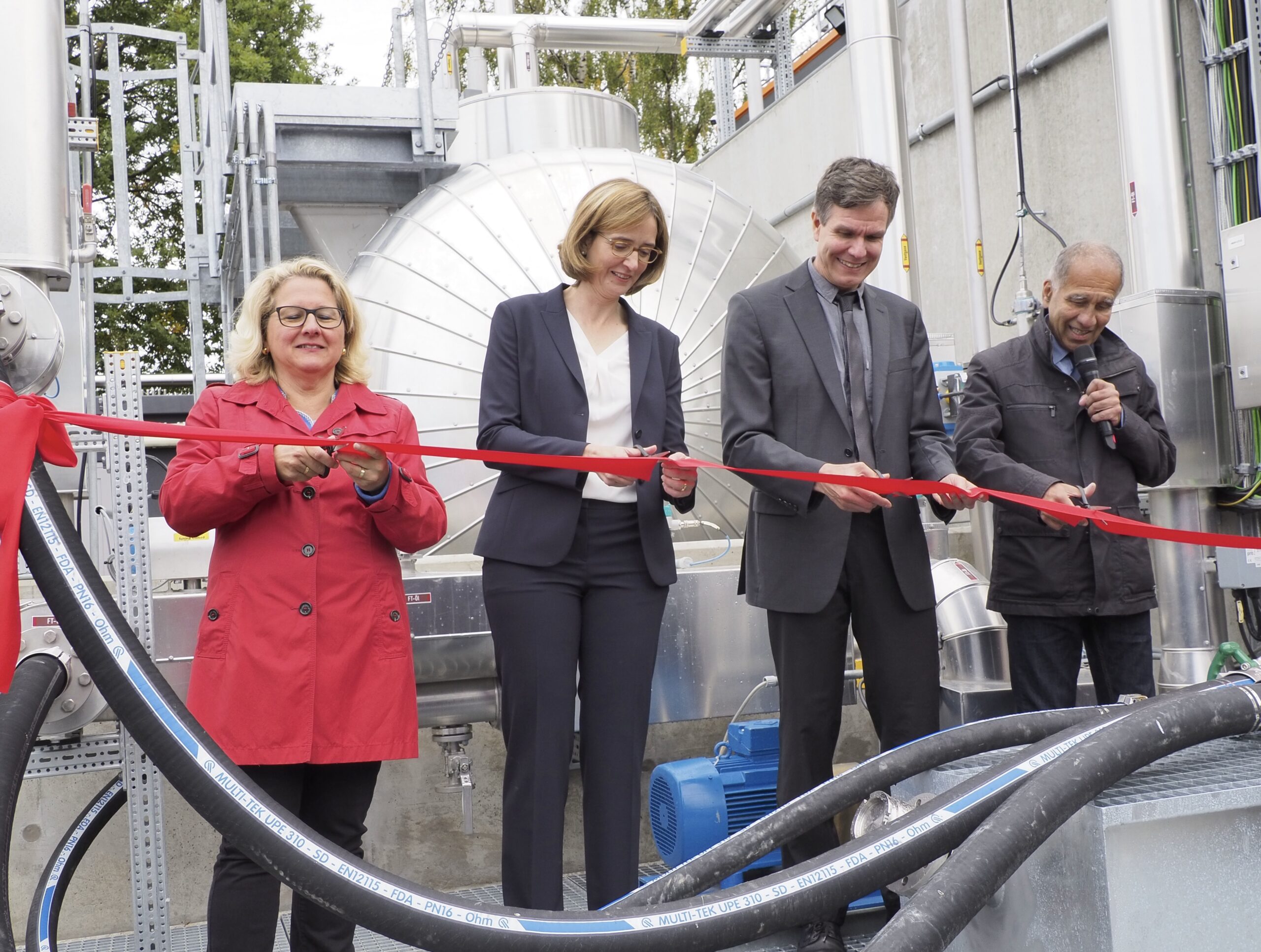
“Avoiding CO2 is better than compensating. The new plant [of Solarbelt] is showing energy companies and airlines what is already possible today, even without government subsidies”

Svenja Schulze
Former Federal Minister for the Environment, Nature Conservation and Nuclear Safety
“For Germany to achieve climate neutrality by 2045, aviation must also make its contribution. PtL fuels from renewable energies are the central climate-friendly alternative to fossil kerosene in aviation. With the right regulatory conditions, electricity-based liquid aviation fuels are now finding their way from the laboratories into the marke”
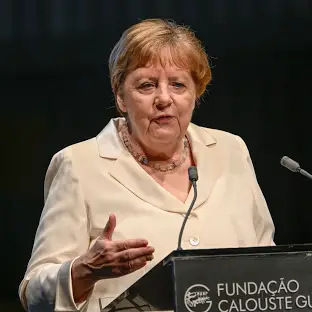
Angela Merkel
Former Chancellor of the Federal Republic of Germany
“Your pioneer spirit and your commitment show how it can be done. Solarbelt shows ways in which we can improve our carbon footprint in aviation.”
How our fairfuel facility works
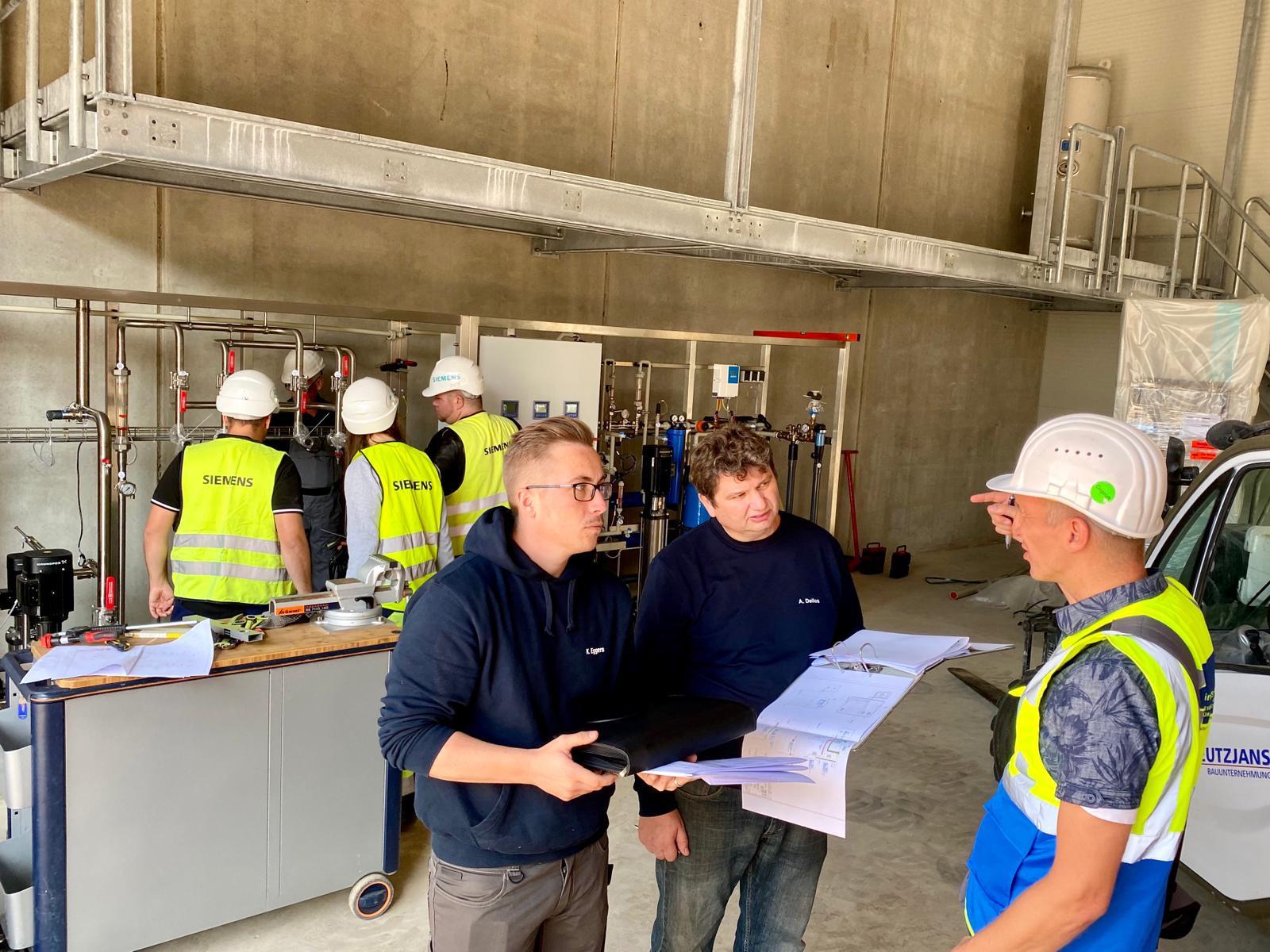
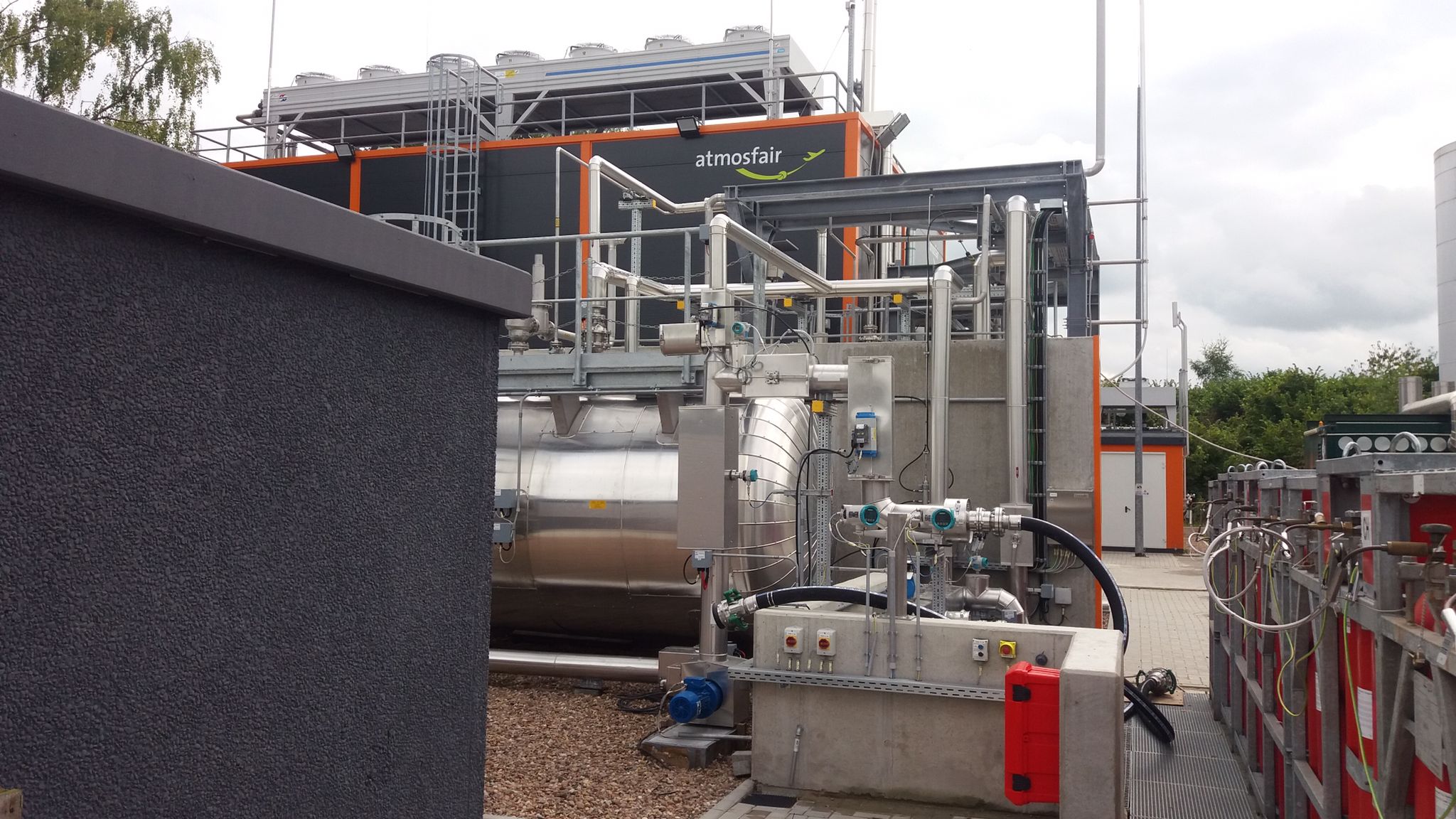
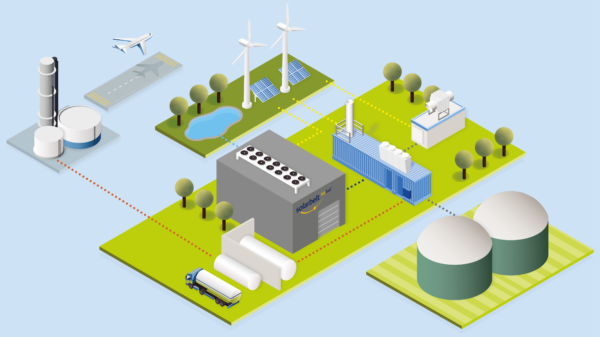
Our plant in the town of Werlte in the Emsland region of Germany uses locally generated wind and solar power, CO2 from a biogas plant and filtered from the air and hydrogen from a electrolyzer to produce a synthetic crude oil. All these resources for the crude oil production come from the immediate vicinity of the facility. The refinery Heide then processes it into Jet A1 kerosene, which is supplied to the Hamburg airport and used as a carbon-neutral fuel for the air transport system.

The atmosfair fairfuel Standard
atmosfair fairfuel is a seal of approval for power-to-liquid (PtL) e-kerosene for aviation. E-kerosene can be used in the existing aviation infrastructure without the need for modification. It therefore has the potential to make a rapid contribution to reducing CO2 emissions from air traffic. The atmosfair fairfuel standard ensures that high sustainability standards are met in the production of e-kerosene.
Climate Friendly Air Transport
CO2-neutral fuel is just one step on the path to climate-neutral air travel.
Flying contributes to anthropogenic climate change in various ways. In addition to CO2, global warming is intensified in particular by the formation of ozone, cirrostratus clouds and contrails. E-kerosene reduces these effects and can, combined with changed flight routes, contribute rapidly to reaching the Paris climate targets for the aviation sector. But until this can be achieved, flying less is still better for the climate, even with e-kerosene.
Contribution of air traffic to the anthropogenic greenhouse effect:
Spotlight